
How to choose a good microscope for a child
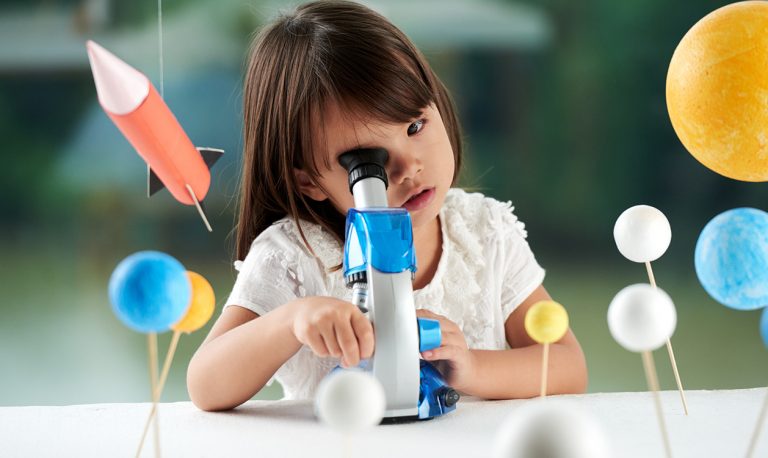
In this article, we will learn how to choose a good microscope for a child, and the key word here is GOOD . All parents who one way or another chose a microscope for the child must have read different reviews. The fact is that toy microscopes , which are sold in toy stores, even quite expensive (about 5000 rubles), do not justify the name "microscope", unfortunately, not to mention cheaper models. If you manage to see something there (in some models you can’t see anything at all), the picture will be such that the child is unlikely to be interested in working with such a microscope for longer than several days. To know more, check out: best microscope for kids
Meanwhile, there are good microscopes . But be prepared: of course, they cost more than gaming. Although some of the models are inexpensive, they are quite comparable in price to "tricked out" toys. These are school and professional microscopes .
If you want to buy a toy for your child, choose a good microscope or buy something else, for example, a high-quality magnifier. It makes sense to buy a microscope only if the child is seriously studying biology and chemistry , plans to take them to the exam and the exam, chooses biology as a specialty, and is going to the medical faculty. Then, indeed, a good microscope at home is a vital thing, and the rather high cost of collecting the entire set of everything necessary for research under the microscope is more than justified.
Magnification microscope
The magnification at the microscope can be optical and digital . Optical is what you need to pay attention to. Digital zoom is just a zoom, you will simply be enlarged by the size, but you will not see any new details there. For serious study, it is highly advisable to have a microscope with an increase of 1000 times or more. There are models available for purchase at home, with an optical zoom of 2000 times.
Diopter adjustment for those with low vision
If the observer has poor eyesight, it is advisable to pay attention to the diopter adjustment. The microscope can adjust diopters for vision from +5 to -5. It is much more convenient to look through the eyepiece and see than to look through the eyepiece through glasses.
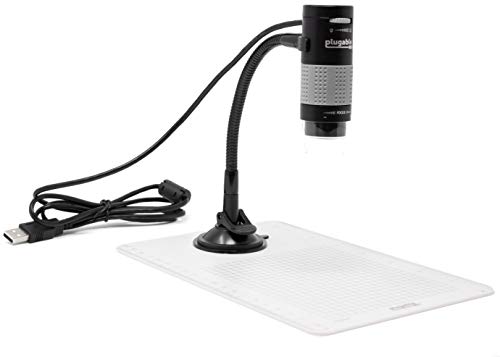
Coarse and fine tuning
Microscopes come in coarse and fine-tuned. For some, the setting is only rough. It is clear that it is better to look for a model with fine-tuning (rough, of course, there is, just fine may not be).
What is the difference if the description of the microscopes is similar, but the price is different?
Does it make sense to buy a microscope more expensive, what is the fundamental difference between microscopes for 12 and 30 thousand , because by description they are, on the whole, very similar? The answer is simple: yes, it makes sense to buy more.
Those microscopes that are priced at 12-13 thousand have lower quality lenses in comparison with, for example, Altos BIO, and they are monocular, without the ability to adjust diopters. If a mono- or binocular (looking with one or two eyes, binocular with two eyes is more convenient, you get tired less), you can still survive and take a monocular, then the fact that optics in less expensive models is worse, immediately suggests that it’s better not to save on this thing, as much as possible for you.
Backlight
The microscope may have a halogen or LED backlight: which is better?
LED backlighting is a LED, it will burn longer and will not heat up much, and the halogen heats up a bit more and gives a yellowish color. The LED gives white light, which, of course, is preferable. Many models of the same microscope come with either one or another backlight of your choice, and the LED option costs a little more. The difference is not significant, so it is better to choose LED.
